Real hunting stories, lessons learned in the field, whitetail strategies, and the experiences that keep us coming back to the woods.
Hunting is more than just a harvest. It’s the preparation, the patience, and lessons learned every time we step into the woods.
Featured Hunting stories
-
I Wasn’t Raised Hunting. The Woods Became My Teacher
More Hunting Stories
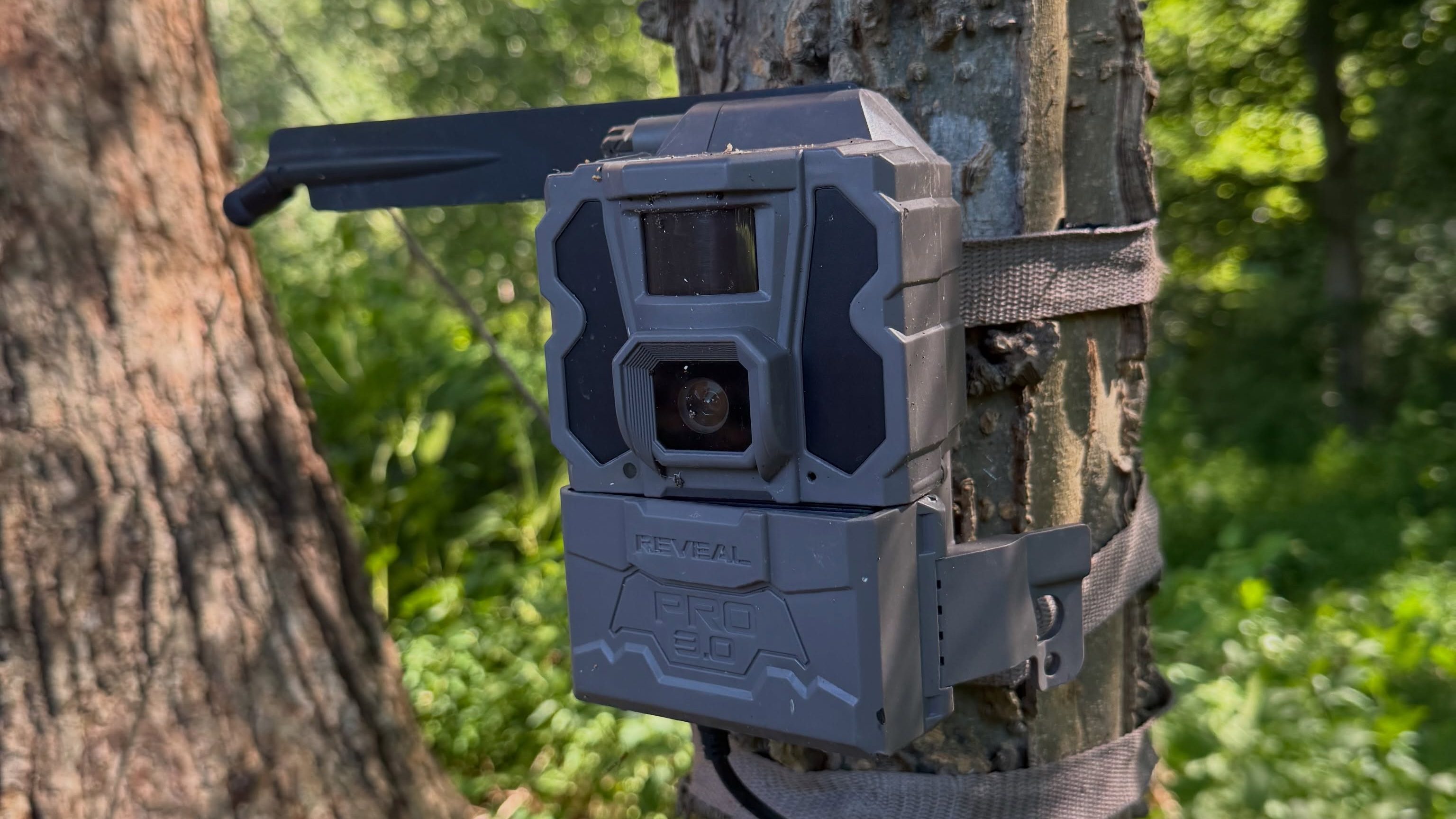
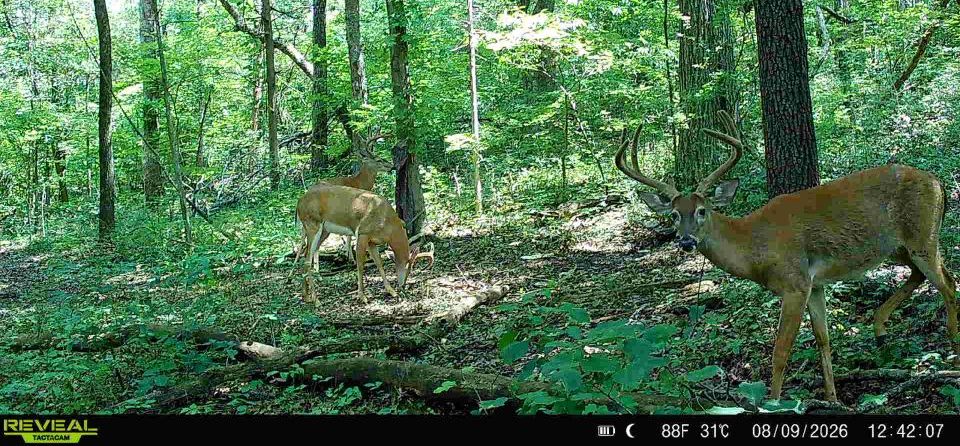
Trail cameras have become one of the most valuable tools in my hunting toolbox. They help me understand deer movement recognize patterns, and learn what’s happening in the woods when I’m not there.
Trail Camera Lessons From the Field
Trail cameras don’t just show me the woods, they show me how the woods are changing. Over time, I’ve learned to pay attention to the little things: when deer move, which directions they are entering and exiting, how weather affects their activity, and which bucks consistently show up in the same places.
Patterning a Mature Buck
Some of the most rewarding hunts start long before opening day. Watching a mature buck over time, studying his movements and figuring out where he feels comfortable can teach you more than any single hunt ever could. The goal isn’t just to find big deer, It’s to understand him.
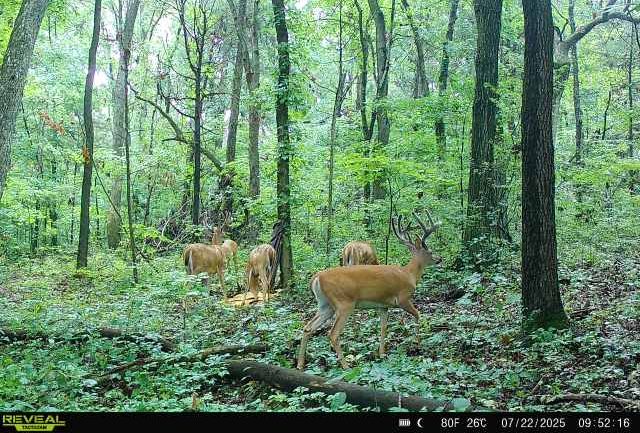
I don’t look at a trail camera photo as just a picture of a deer. I look at the time, weather, wind, location, and what the deer is doing. Those details can reveal when a deer feels comfortable moving, how conditions influence activity, and where i need to be when hunting season arrives. Sometimes the biggest lesson isn’t where the buck was. its to understand him.
Reading the Signs
The woods are always telling you something. Fresh tracks, rubs, scrapes, trails, feeding areas, bedding areas, and the direction deer enter and leave can all help put the pieces together. I’ve learned that the more time you spend paying attention, the easier it becomes to understand what the deer are doing, and where they’re likely to be next.
Trail cameras have made that process even more interesting. A picture can show you where a deer was, but a history of pictures can start to show you where he prefers to be. Watching those patterns develop over days, weeks and even years has changed the way I look at the woods.
I pay attention to the details most people might overlook, the time a buck appears, the direction he is traveling, weather conditions, wind, and whether he keeps returning to the same area. Put enough of those pieces together, and the camera becomes more than a way to see deer. It becomes a way to learn them.

