There’s something different about hunting a Kentucky whitetail in September.
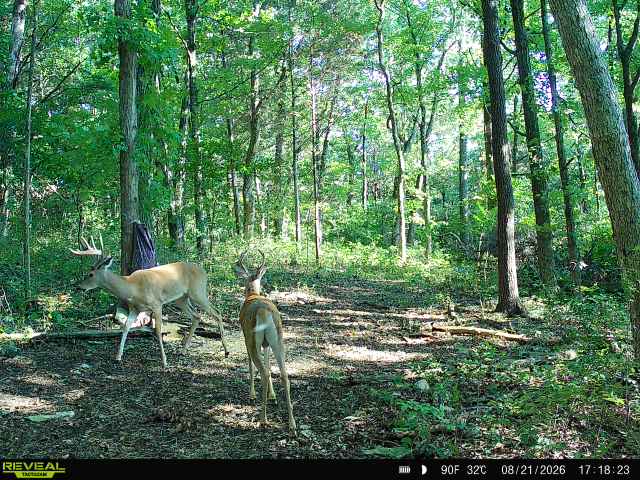
The woods are still green. The temperatures can still feel like summer. The mosquitoes are still around. And then, suddenly, you catch a glimpse of a buck stepping through the timber with a set of velvet-covered antlers glowing in the evening light.
That’s when it feels real.
Deer season is finally here.
For Kentucky bowhunters, the 2026-27 statewide archery season opens September 5 and runs through January 18.
But if you’re chasing a mature velvet buck, the early season is about much more than simply sitting in a tree and hoping one walks by.
The Early Season Is All About Patterns
One of the biggest advantages of hunting velvet bucks is that deer can still be operating on relatively predictable summer patterns.
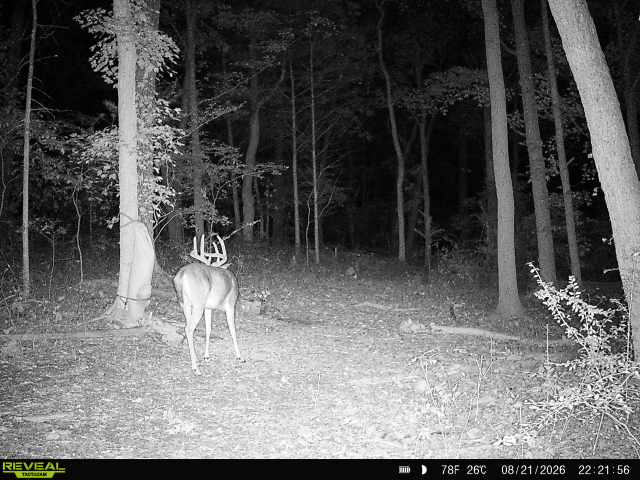
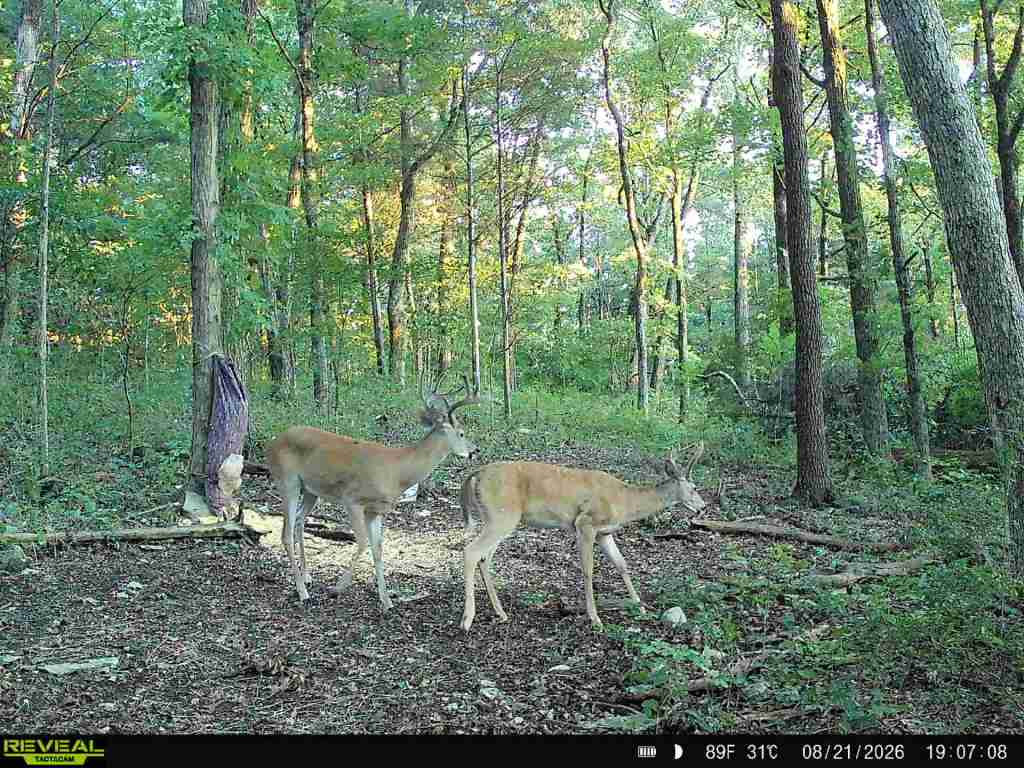
Mature bucks often spend the summer months in bachelor groups. They may be hitting the same food sources, using the same trails, and bedding in the same general areas day after day.
But there is a short window where everything can come together.
In my experience, you really only have about two weeks after Kentucky’s archery season opens to take advantage of that true velvet-buck pattern.
Once those bucks shed their velvet, things can change fast. The bachelor groups start breaking up, bucks begin transitioning, and the predictable summer patterns you’ve been watching all year can disappear almost overnight.
That buck you’ve been getting pictures of every evening might suddenly stop showing up.
The trail he used all summer may go cold.
And the spot that looked like a slam dunk in early September may not look nearly as good a couple of weeks later.
That’s what makes those first few weeks so important. You’re not just hunting a buck in velvet you’re hunting a buck before the transition begins.
If you’ve been running cameras all summer and know where a mature buck is living, those first hunts can be some of the best opportunities of the entire season.
The key is not wasting that window.
Scout hard. Pay attention to the wind. Watch your cameras. And when the right evening lines up, be ready to hunt.
One of the biggest advantages of hunting velvet bucks is that deer can still be operating on relatively predictable summer patterns.
Mature bucks often spend the summer months in bachelor groups. They may be hitting the same food sources, using the same trails, and bedding in the same general areas day after day.
That doesn’t mean the pattern will last forever.
Once hunting pressure increases, temperatures change, food sources change, and the rut begins approaching, those patterns can change quickly.
That’s why early-season scouting is so important.
Trail cameras can tell you which bucks are around, when they’re moving, and—perhaps most importantly—whether a buck is using the area consistently.
Food Is King
In September, food is one of the first places I want to look.
Agricultural fields, food plots, mast-producing trees, and other reliable food sources can become major evening destinations.
But the goal isn’t necessarily to sit directly over the food.
Sometimes the better opportunity is finding the travel route between bedding cover and the food source.
A mature buck doesn’t have to walk through the middle of the field for you to have an opportunity. Finding the trail he uses before he reaches the food can put you in a much better position.
Don’t Overhunt a Velvet Buck
This is one of the biggest lessons I’ve learned.
Just because a buck is showing up on camera doesn’t mean you should immediately go after him.
The first few hunts can tell you a lot.
Watch the wind. Watch the temperature. Pay attention to the time he’s arriving. Look at where he’s coming from and where he’s going.
A mature buck can tolerate a lot of things, but repeated pressure in his core area can change his behavior quickly.
Sometimes the best move is simply waiting for the right evening.
The Kentucky Heat Is Part of the Challenge
September hunting in Kentucky isn’t exactly cool.
You can spend an afternoon sweating before you ever get settled into your stand.
That makes wind direction, access, and thermals especially important.
If you can get into your stand without crossing the deer’s likely travel route and keep your wind out of the area you expect the deer to approach from, you’ve already given yourself a better chance.
The goal isn’t to make yourself invisible.
It’s to keep from giving the deer a reason to know you’re there.
There’s Nothing Quite Like a Kentucky Velvet Buck
For me, that’s what makes this time of year special.
There’s something about seeing a mature Kentucky buck before his antlers harden and the woods change.
You don’t have to wait until November for an incredible hunt.
You don’t need snow on the ground.
You don’t need a rutting buck chasing does through the timber.
Sometimes it’s just a hot September evening, a bow in your hand, and a mature velvet buck quietly making his way down a trail.
That’s what early season is about.
Scout hard. Hunt smart. Protect the wind. And when that velvet buck finally steps into range, make it count.
That’s Kentucky deer hunting.
And there’s nothing quite like the first sit of the season.


Leave a comment